Folkestone
The Thursday Murder ClubFolkestone becomes a meeting place between an ordinary local life and a dangerous past. Elizabeth and Joyce travel there to find Peter Ward, a florist who is now known as Bobby Tanner, and to learn whether the man behind the new identity can shed light on Tony Curran’s murder. In the town’s welcoming shops and café, the investigation takes the form of a quiet conversation rather than a confrontation.
The journey to Folkestone
Joyce records that Elizabeth called at 9.17 to arrange the trip. Their route required two changes, at St Leonards and Ashford International, so they set off early. Joyce had not previously visited Ashford International and amused herself by guessing that a station with “International” in its name would have an M&S, perhaps even an Oliver Bonas. Her attention to the practical details of the journey gives the visit the texture of an outing, even as its purpose is investigative.
The trip is also Joyce’s first visit to Folkestone. She later describes it as fun, a response that sits alongside the serious reason for going: Elizabeth and Joyce need to speak with the man they know has taken the name Peter Ward. The movement from train connections to a first look at the town makes the investigation part of a day’s travel, not an abstract exercise conducted at a distance.
A town of local shops and mutual help
Joyce sees Pearson Street as a busy, friendly shopping street, pleased by its local character while suspecting that its success might eventually bring a Costa and change what she likes about it. She admits that she likes Costa too, complicating her worry about what the arrival of a chain might mean. Her observation makes Folkestone feel both particular and subject to familiar pressures of commercial change.
The café scene gives that community spirit a concrete form. Elizabeth and Joyce sit in Casa Café, where Peter Ward buys them cappuccinos. Becky, from The Tool Chest, agrees to watch for customers while Peter takes half an hour off. The small act of covering for a neighboring shopkeeper establishes a network of everyday trust around the meeting. Peter’s florist business and the flowers associated with him—orchids, sweet peas, and Transvaal daisies—fit the gentle public identity that he appears to have made for himself.
Peter Ward and the past
That appearance is precisely what Elizabeth and Joyce have come to test. Peter is presented as a greying, smiling florist whose calm manner suggests a settled life. Yet a scar beneath his right eye and his muscular build complicate the impression. The investigation identifies him as Bobby Tanner, though Joyce later notes that the two are sworn to keep his current identity secret. The visit leaves open whether Peter Ward has put Bobby Tanner behind him, or whether the former fighter and killer remains part of who he is.
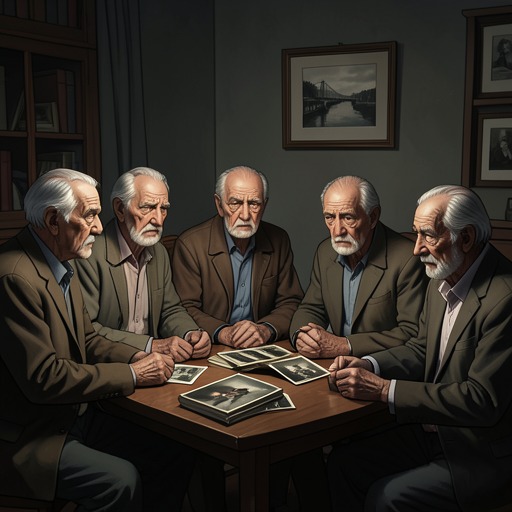
Elizabeth places a photograph on the table. Peter recognizes the Black Bridge, where he and others had spent several nights. Elizabeth explains that the photograph came from two sources: one copy was sent to Jason Ritchie, and another was found beside Tony Curran’s body. The image ties Peter’s past associations to the murder investigation without, by itself, establishing that he killed Curran. Elizabeth’s question is whether Peter made the short journey along the coast to Fairhaven and bludgeoned his former boss; Joyce’s later account likewise leaves open what Peter thinks happened.
Narrative significance
Folkestone gives the inquiry a setting where appearance and evidence can be held together without being prematurely reconciled. The welcoming street, shared café, and florist’s ordinary business make Peter’s present life legible, while the photograph and physical traces of his past keep suspicion alive. The town is not simply a destination: it is where Elizabeth and Joyce test whether a changed name and peaceful occupation signal a changed man. Their visit yields a significant recognition and a guarded conversation, but not a final answer about Tony Curran’s killer.